
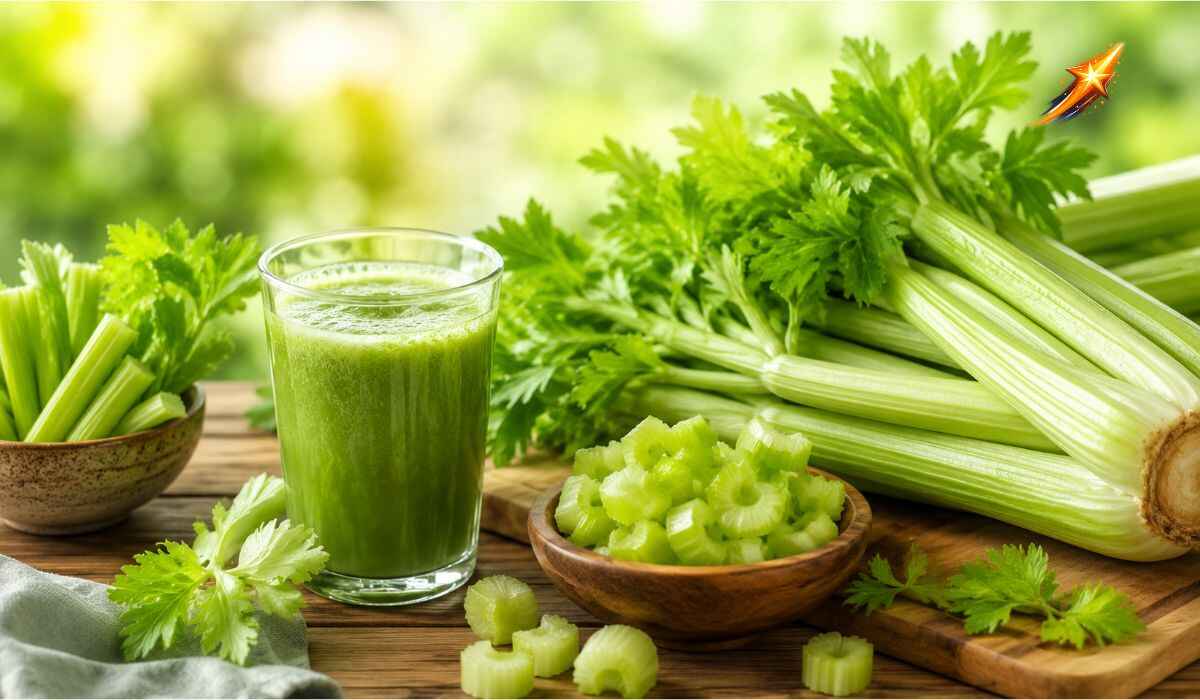
Pravi Celer: Complete Guide to True Celery, Its Health Benefits, and Culinary Uses
Pravi celer is a term from South Slavic languages, specifically Serbian, Bosnian, and Croatian, that translates directly to true celery or real celery, referring most commonly to celeriac, the root form of the celery plant known scientifically as Apium graveolens var. rapaceum, which has been cultivated and consumed across the Balkans and Eastern Europe for centuries as both a food staple and a traditional remedy. Unlike the familiar stalk celery found in most Western supermarkets, pravi celer focuses on the dense, bulbous root of the plant, which delivers a rich, earthy, nutty flavor far more intense than celery stalks and provides an impressive nutritional profile backed by modern scientific research. This complete guide covers what pravi celer is, its history and cultural significance, its full nutritional content, every evidence-backed health benefit, how to prepare and cook it, and who should be cautious about consuming it.
What Does Pravi Celer Mean?
| Detail | Information |
|---|---|
| Language Origin | Serbian, Bosnian, Croatian (South Slavic languages) |
| Literal Translation | True celery or real celery |
| Botanical Name | Apium graveolens var. rapaceum |
| Common English Names | Celeriac, celery root, knob celery, turnip-rooted celery |
| Plant Family | Apiaceae (carrot, parsley, fennel family) |
| Edible Parts | Root bulb, stalks, leaves, seeds |
| Flavor Profile | Earthy, nutty, mildly sweet with intense celery aroma |
| Calories Per 100g | 42 calories |
| Origin | Mediterranean region and Middle East |
| Cultivation Region | Europe, Balkans, North America, parts of Asia |
The word pravi means real, true, or authentic in Serbian, Bosnian, and Croatian. The word celer simply means celery. Together, pravi celer emphasizes that this is celery in its most genuine, unadulterated, traditionally cultivated form, not a commercially processed or flavor-diluted substitute.
In Balkan culinary tradition, pravi celer most commonly refers to root celery, which is used heavily in soups, stews, and pickled vegetable mixes. The root delivers a rich, earthy flavor that chefs describe as a blend of celery and parsley, with a mild nuttiness that becomes subtly creamy when cooked.
The History of Pravi Celer
Celery has been cultivated for thousands of years. Ancient Greeks and Romans did not merely eat it. They considered it sacred, weaving celery leaves into crowns for their dead and awarding them to victorious athletes. This deep reverence for the plant reveals how long humans have recognized its value beyond simple nutrition.
As trade routes expanded across Europe and the Mediterranean, celery made its way into the kitchens and medicine cabinets of diverse cultures. Nowhere did it find a more permanent and deeply embedded role than in the Balkans. Walk through any traditional Croatian, Serbian, or Bosnian kitchen and you will find pravi celer playing a starring role in family recipes passed down through generations.
In Balkan households, pravi celer has long been considered a winter survival vegetable. It stores well for months after harvest, providing valuable nutrients during the colder seasons when fresh produce was historically scarce. Before refrigerators existed, the root could be dried or stored in cool cellars, making it available through the depths of winter. Village markets across Serbia, Bosnia, and Croatia carried celeriac root year-round, and older generations used it in soups and remedies without needing a written recipe.
The scientific cultivation of celeriac as a distinct root variety developed by the seventeenth century, when European cultivators began specifically selecting plants with enlarged root bases rather than upright stalks. This produced the dense, bulbous root that Balkan cooks today call pravi celer.
Modern global cuisine is now rediscovering what Eastern European kitchens have practiced for decades. Chefs worldwide are embracing celeriac under labels such as heritage vegetables, forgotten root vegetables, and seasonal winter produce, creating renewed international interest in exactly what pravi celer has always been.
Pravi Celer vs Regular Stalk Celery
One of the most common questions from people encountering the term pravi celer is how it differs from the celery stalks sold in every supermarket. Here is a clear comparison:
| Feature | Pravi Celer (Celeriac Root) | Stalk Celery |
|---|---|---|
| Botanical Name | Apium graveolens var. rapaceum | Apium graveolens var. dulce |
| Edible Part | Enlarged root bulb | Long ribbed stalks |
| Flavor | Rich, earthy, nutty, intensely aromatic | Mild, watery, crisp |
| Texture Raw | Dense and firm | Crunchy and fibrous |
| Texture Cooked | Creamy and smooth | Softens significantly |
| Typical Weight | 500 grams to over 1 kilogram | Bunch of stalks |
| Culinary Use | Soups, stews, roasting, mashing, raw salads | Snacking, salads, stocks, stir fry |
| Nutrient Density | Higher, especially vitamin K | Good, lower calorie |
| Storage | Months in cool storage | Weeks refrigerated |
| Appearance | Brown, knobby exterior, white interior | Long green stalks with leaves |
Both plants belong to the same species Apium graveolens. The difference lies in what each cultivar has been bred to prioritize. Stalk celery is grown for its crunchy, water-rich stems. Pravi celer, the celeriac variety, produces a swollen stem base called a hypocotyl, which develops into the bulbous root that Balkan cooks prize above all other parts of the plant.
Complete Nutritional Profile of Pravi Celer
Celeriac is low in calories at just 42 calories per 100 grams, yet packed with essential nutrients, making it one of the most nutrient-dense root vegetables available.
| Nutrient | Per 100g | Key Function |
|---|---|---|
| Calories | 42 kcal | Low energy density |
| Carbohydrates | 9.2g | Low glycemic index |
| Dietary Fiber | 1.8g | Digestive health |
| Protein | 1.5g | Muscle maintenance |
| Fat | 0.3g | Very low fat |
| Vitamin K | 41 mcg (34% DV) | Bone formation, blood clotting |
| Vitamin C | 8mg (9% DV) | Immune function, collagen synthesis |
| Vitamin B6 | 0.2mg | Nervous system, metabolism |
| Potassium | 300mg | Blood pressure, heart function |
| Phosphorus | 115mg | Bone health, energy metabolism |
| Manganese | 0.16mg | Enzyme function, antioxidant defense |
Research has confirmed celeriac’s high levels of vitamin K, vitamin C, and several B vitamins. Its fiber content contributes to its low glycemic index, making it a suitable carbohydrate source for individuals managing blood sugar levels.
Bioactive Compounds in Pravi Celer
Beyond basic vitamins and minerals, celeriac contains bioactive compounds that work at the cellular level to protect and support human health.
Phthalides are aromatic compounds found throughout the Apiaceae family. The most studied phthalide in celeriac is 3-n-butylphthalide, which has demonstrated protective effects against cancer and hypertension, cholesterol-lowering properties, blood vessel relaxation effects, and potential benefits for blood sugar regulation.
Flavonoids including apigenin, luteolin, and kaempferol are present throughout the plant. A published study identified that celeriac leaves contain significantly higher total flavonoid content than the root, at 15 mg quercetin equivalents per gram in leaves compared to 2 mg per gram in roots. Apigenin has been specifically studied for its anti-cancer and neuroprotective properties.
Phenolic Acids including chlorogenic acid, caffeic acid, and ferulic acid contribute to the antioxidant and anti-inflammatory activity of the plant.
Polyacetylenes and coumarins add additional bioactive depth to the nutritional profile.
A peer-reviewed phytochemical analysis published in Food Science and Nutrition identified 31 key phytochemicals in celeriac through advanced analytical methods, including compounds with known anti-inflammatory properties such as apiin, apigenin, chlorogenic acid, bergapten, and phthalides including senkyunolide A and sedanolide.
Health Benefits of Pravi Celer
Blood Pressure Support
Phthalides, particularly 3-n-butylphthalide, can help relax blood vessels and reduce blood pressure. Research suggests that compounds in celery and celeriac relax smooth muscle in blood vessel walls, reducing arterial resistance and helping lower blood pressure readings.
Regular consumption may benefit people with hypertension, though it should complement rather than replace prescribed medical treatment.
Cardiovascular Health
Celeriac supports cardiovascular health through multiple mechanisms working simultaneously. Phthalides stimulate bile acid secretion, which helps lower total cholesterol and LDL cholesterol while potentially increasing HDL cholesterol. The dietary fiber in celeriac also binds with cholesterol in the digestive tract, helping remove it before absorption.
The polyphenols and flavonoids in celeriac suppress inflammatory cytokines including tumor necrosis factor-alpha and interleukin-6, which are involved in chronic inflammatory conditions that underlie cardiovascular disease.
Anti-Inflammatory Effects
Chronic low-grade inflammation is now recognized as an underlying driver of conditions ranging from arthritis to cardiovascular disease to neurodegenerative disorders. The polyphenols, flavonoids, and phthalides in pravi celer have been shown to suppress inflammatory pathways at the cellular level.
Published research demonstrated that both aerial and underground parts of celeriac exhibited significant anti-inflammatory properties in laboratory testing, lowering nitric oxide production in stimulated immune cells. The aerial parts of the plant, meaning the leaves and stalks, showed higher concentrations of most anti-inflammatory compounds than the root itself.
Digestive Health
Celeriac is an excellent source of dietary fiber, which plays a crucial role in gut health and digestion. The fiber content supports regular bowel movements, promotes satiety, and helps stabilize blood sugar by slowing the absorption of carbohydrates.
A high-fiber diet is consistently associated with lower rates of colorectal cancer, improved gut microbiome diversity, and reduced risk of digestive conditions including constipation and diverticular disease.
Blood Sugar Regulation
The low glycemic index of celeriac makes it a valuable carbohydrate source for people managing blood sugar. The combination of fiber, phthalides, and low sugar content means celeriac does not cause rapid blood glucose spikes. Research has also found that 3-n-butylphthalide may improve insulin resistance and lower glucose levels directly.
Bone Health
Vitamin K is celeriac’s standout nutrient, playing a critical role in bone formation and blood clotting. A single 100-gram serving provides approximately 34 percent of the daily recommended intake of vitamin K. Adequate vitamin K intake is consistently associated with improved bone mineral density and reduced fracture risk.
Neuroprotective Potential
Research has found that 3-n-butylphthalide may alleviate neuroinflammation and delay the progression of Parkinson’s disease in laboratory models. Apigenin, the flavonoid found in celeriac, has also been studied for neuroprotective properties. While human clinical trials remain limited in this area, the preliminary findings add to the growing body of evidence for celeriac as a food with potential beyond basic nutrition.
Hydration Support
Celeriac has a high water content that contributes to daily hydration needs. Adequate hydration supports kidney function, joint lubrication, skin health, temperature regulation, and cognitive performance.
How to Prepare and Cook Pravi Celer
Peeling and Cleaning
The knobbly exterior of celeriac puts off some first-time buyers, but peeling it is straightforward with the right approach.
Use a sharp chef’s knife rather than a standard vegetable peeler. Cut flat surfaces on the top and bottom of the root to create stable platforms. Then slice the skin away in downward strokes following the curve of the root. The pale white interior is revealed beneath the rough exterior.
Once peeled, celeriac oxidizes quickly and turns brown when exposed to air. Place cut pieces immediately into a bowl of cold water with a squeeze of lemon juice to preserve the pale color until you are ready to cook.
Cooking Methods
Roasting brings out the natural sweetness and nuttiness of pravi celer. Cut into cubes, toss with olive oil and seasoning, and roast at 200 degrees Celsius for 25 to 30 minutes until golden and caramelized.
Mashing produces a lighter, lower-carbohydrate alternative to mashed potatoes. Boil peeled celeriac chunks until tender, then mash with butter, cream, and seasoning. The result is creamy with a subtle herbal aroma.
Soups and Stews are the most traditional Balkan use of pravi celer. Add chunks of celeriac root to meat-based broths and slow-cooked stews where it contributes earthy depth and richness to the flavor base.
Raw in Salads is a traditional French technique called céleri rémoulade, where grated raw celeriac is dressed in a mustard-mayonnaise sauce. Grated raw pravi celer has a satisfying crunch and bold flavor suitable for slaws and vegetable salads.
Purees and Soups use boiled celeriac, blended smooth with stock, cream, and aromatics, to create elegant, restaurant-style soups with a complex flavor profile.
Flavor Pairings
Pravi celer pairs beautifully with the following ingredients:
- Mustard and mayonnaise for raw preparations
- Apple and walnut for sweet and savory balance
- Beef, pork, and chicken in slow-cooked dishes
- Thyme, bay leaf, and parsley as herbal complements
- Cream and butter for smooth purees and gratins
- Truffle oil and Parmesan for elevated restaurant dishes
- Lemon and capers for fresh brightness in cold salads
Traditional Balkan Uses of Pravi Celer
In traditional Balkan cooking, no part of pravi celer was wasted. The stalks were used in soups, the leaves added flavor like a fresh herb, and the root was cooked, stored, or pickled.
Pileća supa is the classic Serbian and Bosnian chicken soup, in which celeriac root is a non-negotiable ingredient alongside carrot, parsnip, and leek. The root gives the broth a distinctive depth and warmth that cannot be replicated with stalk celery.
Zimnica, the traditional Balkan pickled vegetable mix preserved for winter, frequently includes celeriac root cut into strips alongside peppers, cabbage, and other vegetables.
Čorba, the thick stew dishes common across the region, use celeriac root as a standard base vegetable alongside onion and carrot.
For generations, pravi celer symbolized warmth, nourishment, and healing in Balkan households. The word pravi, meaning “true” or “genuine,” carries emotional significance beyond the vegetable itself. Older generations associate celery with strength and ancestral knowledge, and calling it pravi celer expresses pride in natural food and respect for traditional culinary wisdom.
How to Buy and Store Pravi Celer
What to Look For
When buying celeriac, choose firm, heavy roots without soft spots or excessive browning. Smaller roots tend to have a less woody core than very large specimens. If the leaves are still attached, they should be fresh and green, not wilted.
Avoid roots that feel hollow or light for their size, as these may have developed an unpleasantly fibrous or dry core.
Storage
Unpeeled celeriac stores exceptionally well compared to most vegetables. In a cool, dark place such as a cellar or garage, it can keep for several months. In a refrigerator, it keeps for three to four weeks. This excellent storage capability is one reason it became so important in Balkan winters before modern food supply chains existed.
Once peeled and cut, store in cold water with lemon juice in the refrigerator for up to two days.
Who Should Be Careful With Pravi Celer
Pravi celer is safe and beneficial for most healthy adults. However, certain groups should exercise caution.
People with kidney disease should moderate intake because celeriac contains potassium and phosphorus in amounts that can be problematic for those with compromised kidney function.
People with pollen allergies, particularly those sensitive to birch pollen, carrot, or parsley, may experience cross-reactive allergic reactions to celeriac. This is known as pollen-food allergy syndrome and typically causes mild mouth or throat irritation.
People on blood-thinning medications such as warfarin should be aware that celeriac’s high vitamin K content can affect how these medications work. Vitamin K plays a direct role in blood clotting, and significant changes in intake can alter the effectiveness of medications. Consult a healthcare professional before making major dietary changes if you take anticoagulant medication.
Pregnant women can consume celeriac as part of a balanced diet, but should avoid consuming celery seed supplements or celery oil in medicinal quantities, which can stimulate uterine contractions.
Frequently Asked Questions About Pravi Celer
What does pravi celer mean in English?
Pravi celer translates from Serbian, Bosnian, and Croatian as true celery or real celery. In English, it most commonly refers to celeriac, also called celery root or knob celery, which is the root form of the celery plant Apium graveolens var. rapaceum.
Is pravi celer the same as regular celery?
Both come from the same plant species Apium graveolens, but they are different cultivated varieties. Regular stalk celery is grown for its crisp stalks. Pravi celer refers to the celeriac variety, grown specifically for its large, dense root bulb, which has a much richer and more complex flavor than stalk celery.
What are the main health benefits of pravi celer?
Pravi celer supports blood pressure regulation through phthalide compounds, cardiovascular health through cholesterol reduction, digestive health through dietary fiber, bone health through high vitamin K content, and anti-inflammatory protection through flavonoids and phenolic acids. Research has also identified potential neuroprotective properties.
How do you peel and prepare celeriac?
Use a sharp chef’s knife rather than a peeler. Cut flat surfaces on the top and bottom of the root, then slice the skin away in downward strokes. Place cut pieces immediately in cold water with lemon juice to prevent browning.
How does pravi celer taste?
Raw celeriac tastes earthy, nutty, and intensely aromatic, with a mild sweetness and complex, herbal celery notes. When cooked, it becomes subtly creamy with a softer, more refined flavor that many people find more approachable than its raw version.
Can you eat pravi celer raw?
Yes. Grated raw celeriac is the basis for céleri rémoulade, the classic French raw salad made with a mustard-mayonnaise dressing. It has a satisfying crunch and bold flavor. Use a box grater or food processor to shred it finely.
Where is pravi celer used in traditional cooking?
Pravi celer is most deeply embedded in Balkan cuisine across Serbia, Bosnia, and Croatia, where it appears in chicken soups, beef stews, pickled vegetable mixes called zimnica, and hearty winter dishes. It is also widely used in French, German, Eastern European, and Scandinavian cooking.
How long does celeriac keep?
Unpeeled celeriac can be stored for several months in a cool, dark place. In the refrigerator it keeps for three to four weeks. Once cut and peeled, it should be stored in cold water with lemon juice and used within two days.
Read Also: Domikyo.com: Complete Guide to the Blog, Topics, Guest Posts and What You Will Find